





Article Overview
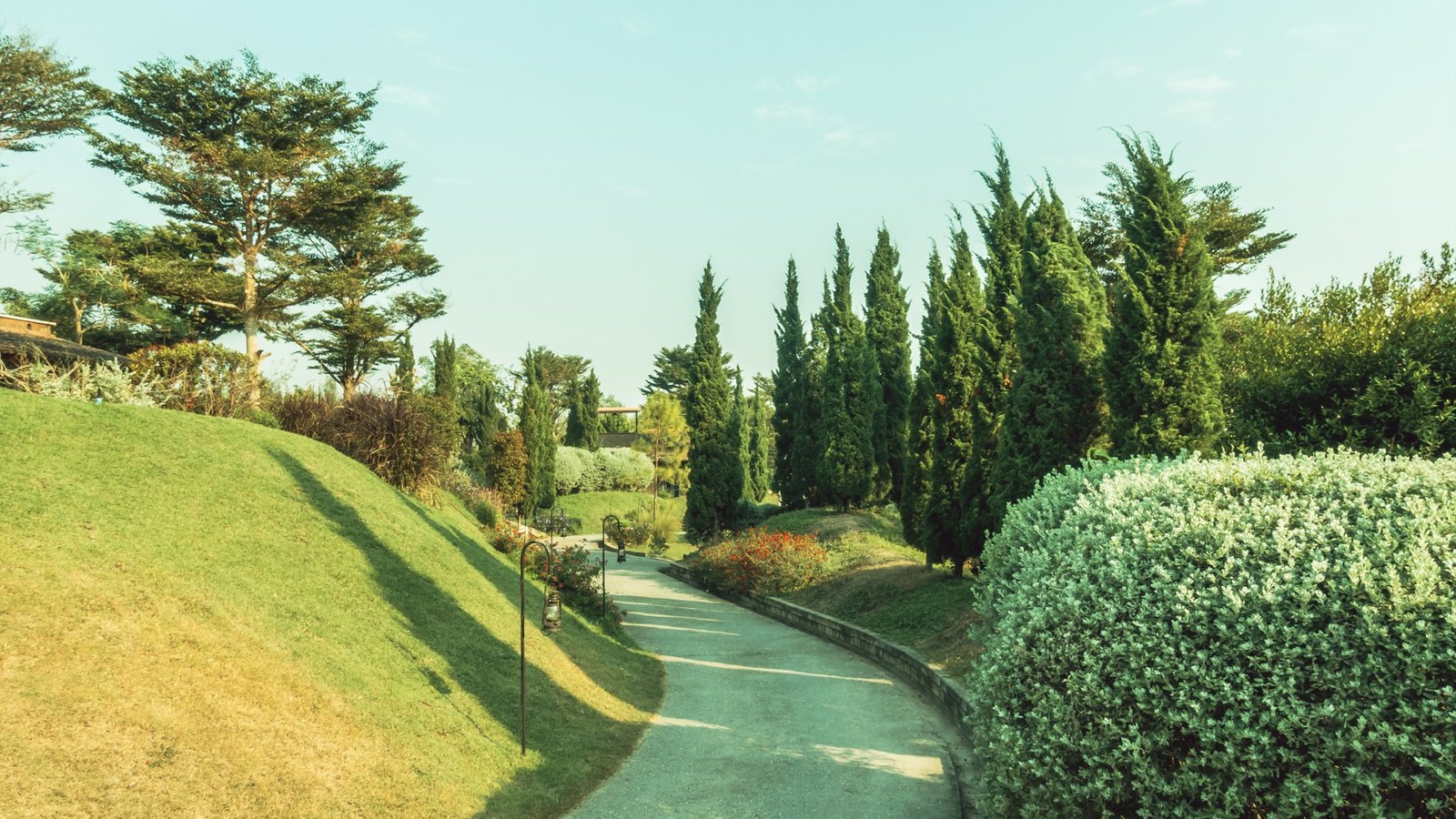
A well-designed pathway does more than get you from one end of the garden to the other — it guides the eye, defines planting beds, and gives the whole space a sense of structure and intention.
Key Takeaways

Match Material to Style
Natural stone suits informal gardens, while cut pavers fit clean, modern layouts.
Curve With Purpose
Gentle curves work best when they follow a natural feature, not just for effect.
Mind the Width
Main pathways need enough width for two people to walk comfortably side by side.
Light the Route
Low-level lighting along paths adds safety and a warm evening atmosphere.
Choosing the Right Material
Gravel is affordable and easy to install, natural stone brings texture and permanence, and brick or pavers give a crisp, structured finish. The right choice depends on your garden's overall style and how much foot traffic the path will see.
Planning the Route
Good pathways connect the places people actually want to go — the door to the seating area, the seating area to the vegetable patch — rather than cutting arbitrary lines across the lawn.
Framing the Path
Low border planting, edging stones, or soft ground cover along the path edges tie it visually into the rest of the garden and stop it from looking like an afterthought.